
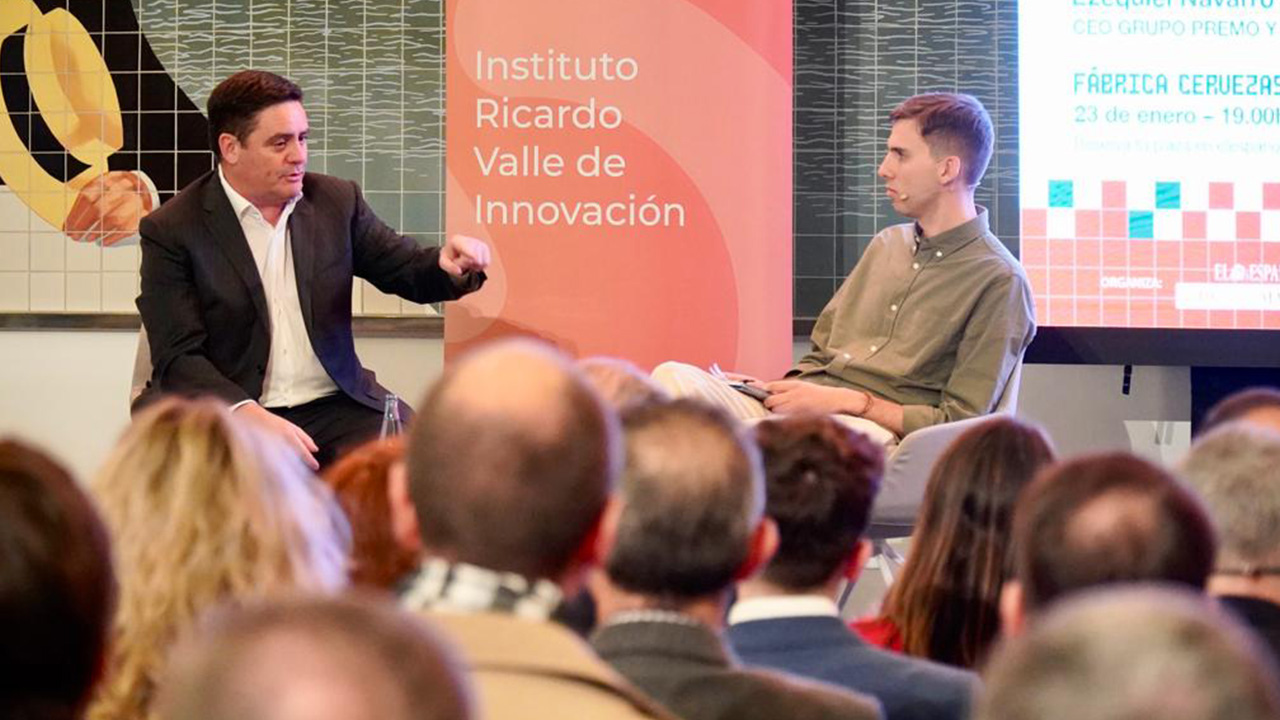
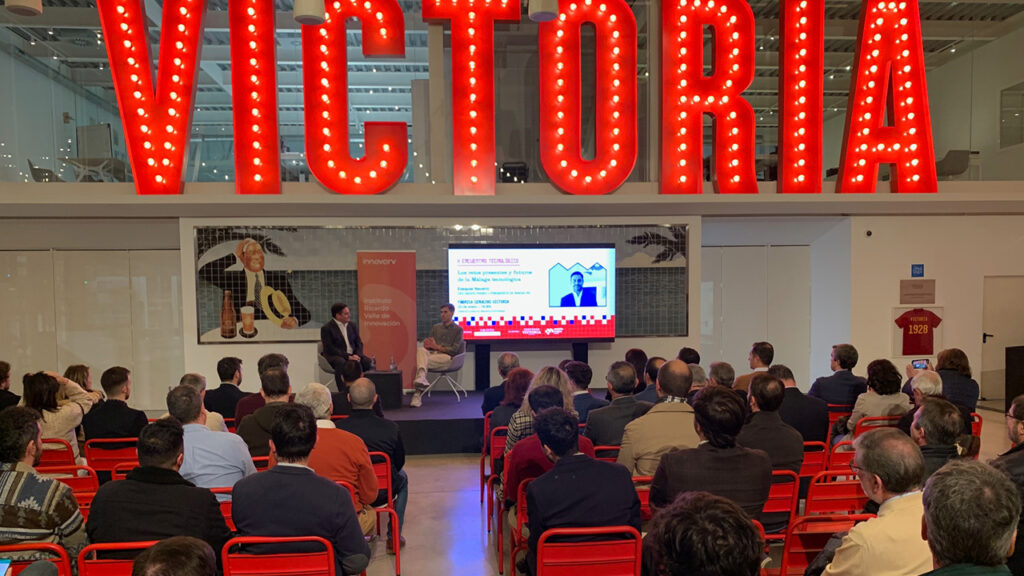
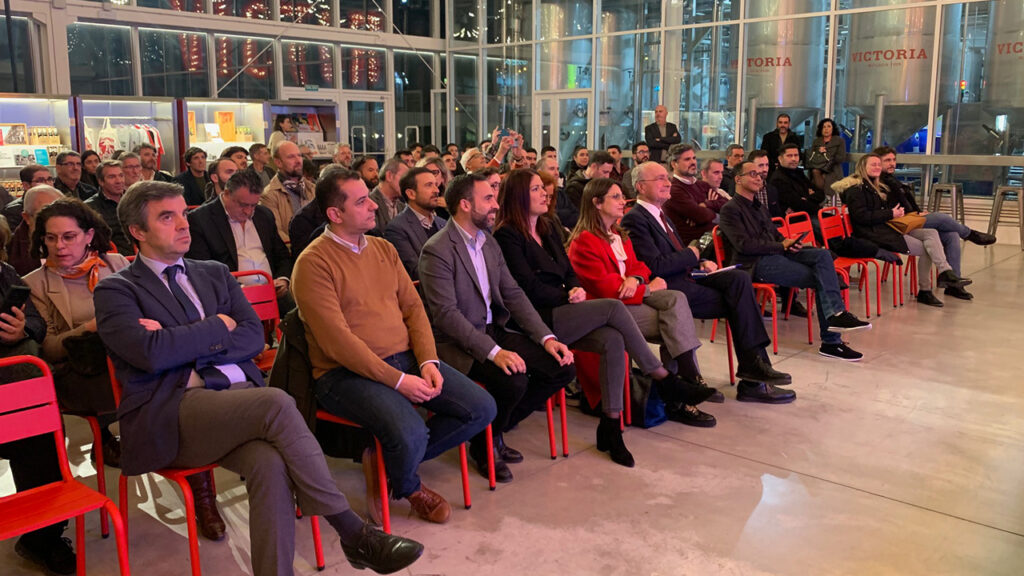
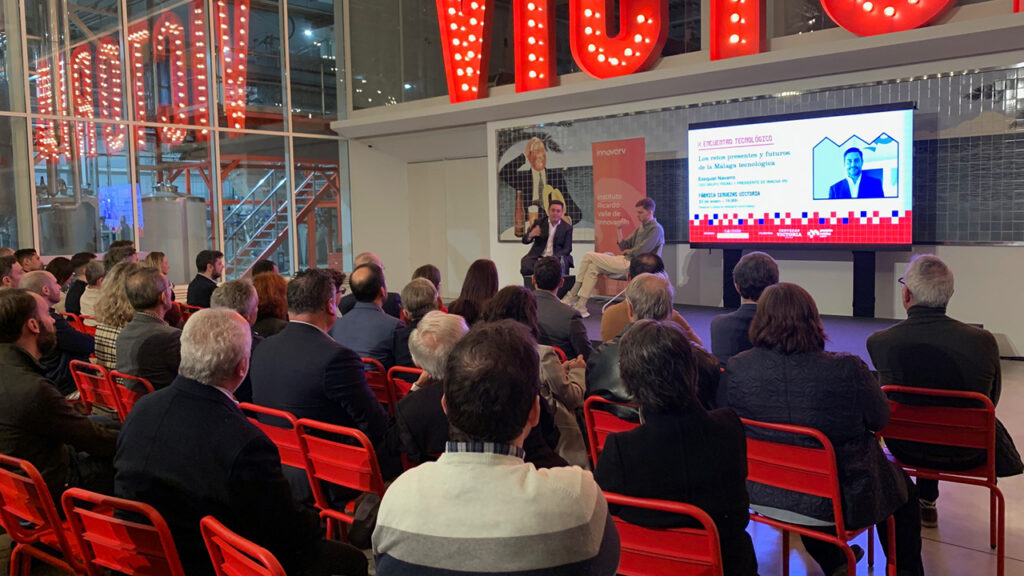
Ezequiel Navarro, president of Innova IRV, participated this Monday in the X Technological Meeting organised by EL ESPAÑOL de Málaga, in the factory of Cervezas Victoria. The event was attended by the Mayor of Malaga, Francisco de la Torre, and a large audience composed of representatives of institutions, universities and the business world.
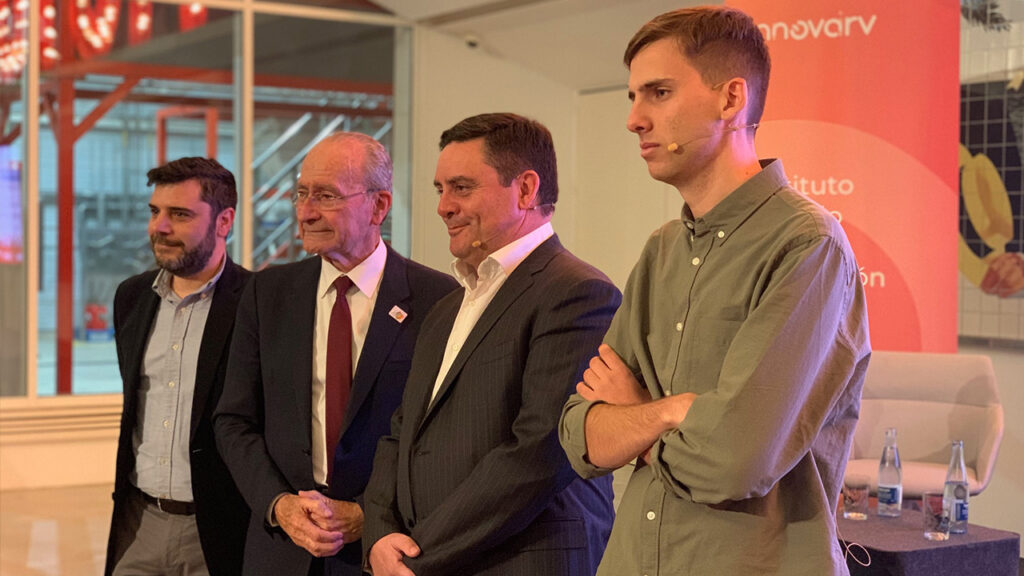
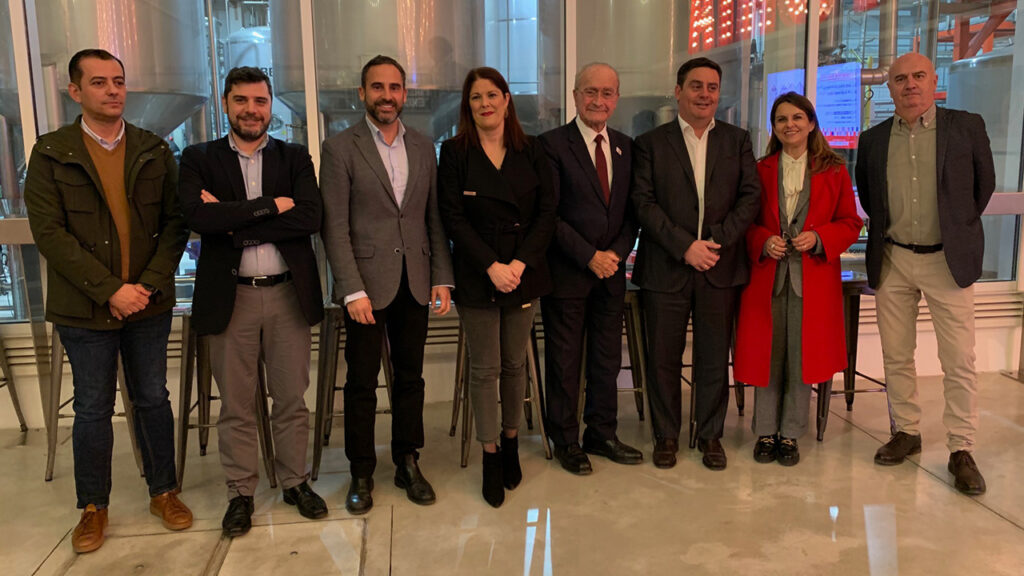
At the meeting Ezequiel Navarro, together with Demófilo Peláez, technology editor at El Español de Málaga, addressed some of the present and future challenges of Technological Malaga, as well as the role of Innova IRV in this scenario.
“The challenge is to recognise that we don’t know what we don’t know. We have done a lot of navel-gazing, we think we are the pear, and complacency is the beginning of failure. We have to be very aware of what we don’t know and clearly measure those gaps. I was talking today with the general director of the Innova IRV foundation: let’s measure the gaps and see how we fill them. It is important to clearly identify the gaps with the companies and territories that know and are making the most progress, and to have a route to see how we are going to close them. Otherwise, they will always beat us in competitiveness.
“There are areas – electric mobility, new energies, hydrogen, sustainability, microelectronics, batteries, artificial intelligence… – in which we lack a great deal of knowledge. We must all come together to attract the best and start producing both for universities, so that they can train students, doctoral students, etc., and for companies, so that we have the same level as the best in the world. This will guarantee that we can compete with our heads held high anywhere in the world.
“The companies in Innova are almost all medium-sized or very large. There are some very powerful start-ups that it is only a matter of time before they become big, such as Tupl. Otherwise, you have Google, Dekra, Accenture, big companies. They have a product, an international network of clients, innovation plans, they know what they need, they have worked collaboratively before. To propose a federation of demand (instead of “hey, we’ve invented something, let’s see who buys it”, move on to “we need this, let’s work together”) and, in layers of onion, with the nearby ecosystem, the SMEs nearby and the universities nearby, with the research groups oriented towards the projects we are doing; plus the cross-pollination that can exist between artificial intelligence and the agricultural sector, between AI, cybersecurity and the health sector…. There are a lot of very interesting cross-synergies”.
“This model, which is not public-private but largely private-public, is a different model. We have explained it to European authorities and they consider that there is only something similar in Finland, and it is different. Let’s focus innovation on what companies need, instead of someone in an office in a tower making a programme that now we have to support nanotechnology, quantum or whatever. We’re going to make the products that people really need, and we’re going to do it collaboratively. If you have invented something that has application, for example, to the automobile; surely that innovation has application to many fields and I am wasting it if I keep it. If Innova owns that patent, it will be able to sell, license and exploit those technologies further.
“For this, Innova has three sources of resources: innovations and patents that it can sell, creating companies in which it can provide seed capital that can then be returned in successive rounds, and promoting projects. Today we have received the good news that the only 5G collaboration between 17 companies from here has received the highest score of all the projects presented in Spain, with a very high aid intensity. I thought the project was very weak! In the sense that we had done it in August, with a short deadline, and the level of self-demand of our companies is very high. It got the highest score of all those presented in Spain, and that encourages us to continue. Probably, the common intelligence of 17 companies together is capable of presenting better projects than others”.
“We have to run, because innovation is about being the first, not about being the best.
You can read the full interview in El Español (Spanish).